Teaching Toddlers Their Rights at the Police Station: A Fun Learning Experience
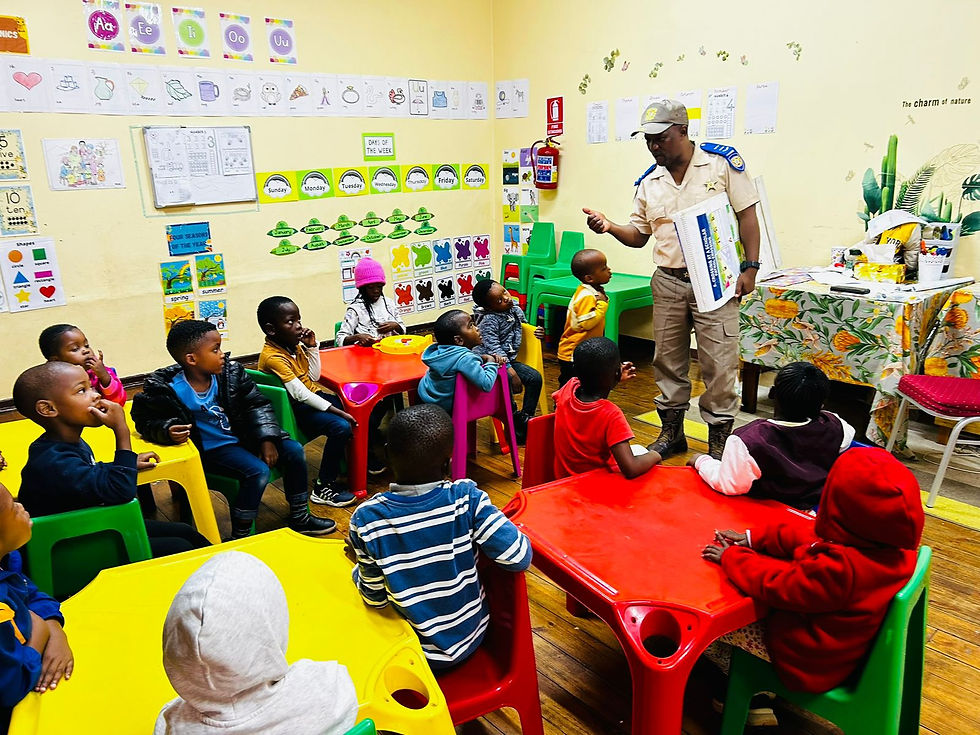
Introducing toddlers to their basic rights in a way that is engaging and easy to understand can set a strong foundation for their future. Recently, a group of toddlers had the unique opportunity to visit a local police station where they learned about their rights through fun activities and friendly interactions. This experience not only made the concept of rights accessible to young children but also helped build trust and understanding between the community and law enforcement.

Why Teaching Toddlers About Their Rights Matters
Understanding basic rights is usually associated with older children or adults, but introducing these ideas early helps children recognize their value and importance. Toddlers are naturally curious and absorb information quickly when it is presented in a playful and relatable way. Teaching them about their rights encourages:
Self-awareness: Toddlers begin to understand that they have a voice and that their feelings and safety matter.
Confidence: Knowing their rights helps children feel more secure in unfamiliar situations.
Respect for others: Learning about rights also includes understanding the rights of others, fostering empathy and kindness.
By visiting a police station, toddlers get a firsthand look at the people who help protect these rights, making the learning experience more concrete and memorable.
What Toddlers Learned During the Visit
The visit was carefully planned to suit the attention span and comprehension level of toddlers. The police officers used simple language, colorful visuals, and interactive activities to explain key concepts. Some of the basic rights introduced included:
The right to feel safe: Toddlers learned that everyone has the right to be safe and protected.
The right to speak up: They were encouraged to express their feelings and ask for help when needed.
The right to be treated kindly: Respect and kindness were emphasized as important rights for everyone.
The officers also demonstrated how to recognize safe adults and what to do if they ever feel scared or uncomfortable. Role-playing games helped toddlers practice saying “no” and asking for help, reinforcing these lessons in a supportive setting.
How the Police Station Environment Enhanced Learning
The police station was transformed into a welcoming space for the toddlers. Bright posters with simple messages about rights and safety decorated the walls. The officers wore friendly smiles and used props like badges and hats to capture the children’s attention. This environment helped toddlers associate the police with safety and support rather than fear.
The visit included a tour of the station, where toddlers saw the patrol cars, communication equipment, and even a police dog. These experiences made the visit exciting and helped children connect the idea of rights with real people who work to protect them.
Practical Tips for Parents and Educators
Parents and educators can take inspiration from this visit to teach toddlers about their rights at home or in the classroom. Here are some practical ways to make this topic accessible and fun:
Use storybooks that focus on feelings, safety, and respect.
Play role-playing games where children practice asking for help or saying no.
Create visual aids like posters or flashcards with simple rights-related messages.
Encourage toddlers to talk about their feelings and experiences regularly.
Visit community helpers like police officers, firefighters, or librarians to build trust and understanding.
These activities help toddlers internalize the concept of rights and see them as
part of everyday life.
Building a Foundation for Lifelong Understanding
Teaching toddlers about their rights is not a one-time event but a continuous process. The police station visit was a great start, but reinforcing these lessons over time is key. When children grow up knowing their rights, they are better equipped to protect themselves and respect others.
This early education also supports healthy communication between children and adults. Toddlers who understand their rights are more likely to speak up when something is wrong and seek help from trusted adults.
Encouraging Community Connections Through Learning
This kind of community engagement benefits both children and law enforcement. Toddlers leave with positive memories of the police, which can reduce fear and build trust. Police officers gain insight into how to communicate effectively with young children and support families.
Such visits can inspire other community programs focused on education and safety, creating a stronger, more connected neighborhood.


Comments