Traffic Department Visit to Caring Cubs: Enhancing Road Safety Education
Road safety education plays a crucial role in shaping responsible future drivers and pedestrians. Recently, the Traffic Department paid a special visit to Caring Cubs, a community center dedicated to early childhood development. This visit aimed to introduce young children to basic traffic rules and safety habits in a fun and engaging way. The event highlighted how early education can build a foundation for safer roads in the future.
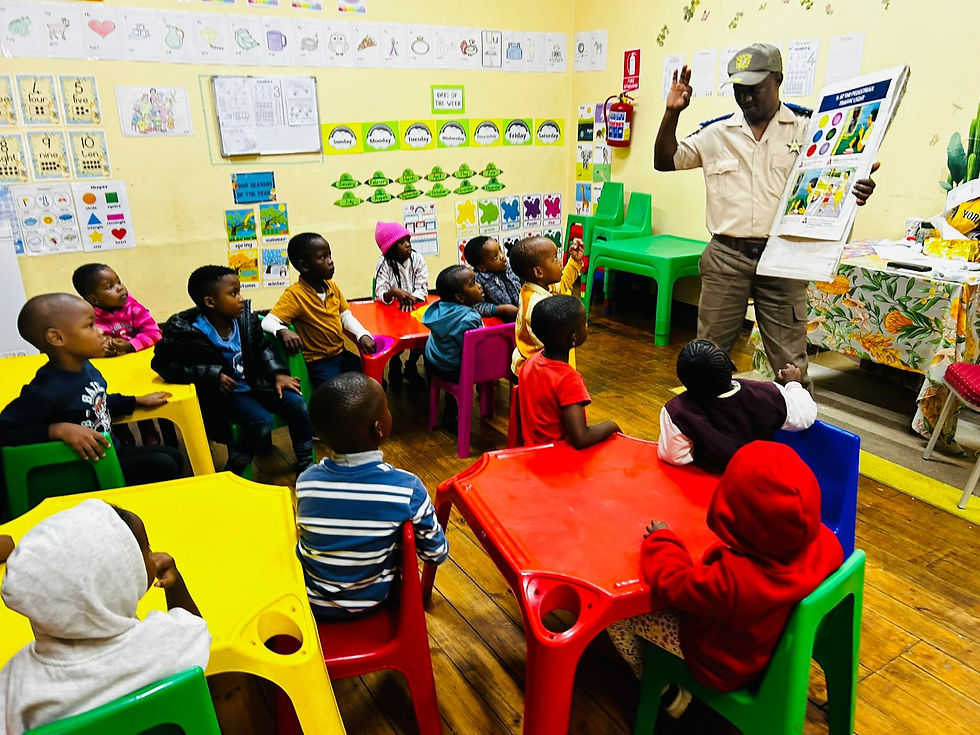
Introducing Road Safety to Young Learners
Teaching road safety to young children requires creativity and simplicity. The Traffic Department team brought interactive tools such as miniature traffic lights, pedestrian crossing signs, and toy vehicles. These tools helped children visualize real-world traffic scenarios. The instructors explained the meaning of traffic signals, the importance of looking both ways before crossing, and why wearing seat belts matters.
Children participated eagerly in role-playing exercises where they practiced crossing the street safely using a mock pedestrian crossing set up inside the center. This hands-on approach made the lessons memorable and enjoyable. By engaging children in active learning, the Traffic Department ensured that the key safety messages were understood and retained.
Practical Activities That Make a Difference
The visit included several practical activities designed to reinforce road safety concepts:
Traffic Signal Recognition
Children learned to identify red, yellow, and green lights and what each color means for drivers and pedestrians.
Safe Crossing Practice
Using a small-scale pedestrian crossing, children practiced stopping, looking left and right, and crossing only when it was safe.
Seat Belt Importance
Demonstrations showed how seat belts protect passengers, encouraging children to always buckle up in vehicles.
Understanding Road Signs
Simple signs like stop, yield, and pedestrian crossing were introduced to familiarize children with common traffic symbols.
These activities helped children connect abstract rules to real-life situations. The interactive nature of the lessons encouraged questions and discussions, deepening their understanding.

Building a Culture of Safety from an Early Age
The Traffic Department’s visit to Caring Cubs is part of a broader effort to promote road safety awareness from an early age. Research shows that children who learn traffic rules early are more likely to develop safe habits as they grow. This proactive approach can reduce accidents involving young pedestrians and future drivers.
Parents and caregivers also benefit from these sessions. The event included a brief talk for adults on reinforcing safety habits at home and in the community. Simple steps like setting a good example, discussing road safety regularly, and supervising children near roads can make a big difference.
Collaboration Between Community and Authorities
This visit demonstrated the value of collaboration between community centers and local authorities. Caring Cubs provided a welcoming environment where children felt comfortable learning, while the Traffic Department brought expertise and resources. Such partnerships create opportunities for ongoing education and support.
The Traffic Department plans to continue these visits to other centers and schools, adapting the lessons to different age groups. They also distribute educational materials like coloring books and safety brochures to extend learning beyond the visit.

Encouraging Safer Communities Through Education
The visit to Caring Cubs shows how early education can contribute to safer communities. When children understand traffic rules and safety, they become advocates for responsible behavior. This knowledge spreads to families and neighborhoods, creating a ripple effect.
Parents and educators can support this effort by:
Reinforcing road safety lessons regularly
Practicing safe behaviors together
Encouraging children to ask questions about traffic rules
Participating in community safety programs
By working together, communities can reduce traffic accidents and protect their youngest members.


Comments